The Cotswolds sit within easy reach of London, but the way you travel shapes the day. The honey stone villages and rolling pasture are spread out across a big swath of central-southern England, roughly 800 square miles. That scale is part of the appeal, and also the logistical puzzle. Whether you want a swift Cotswolds day trip from London or a weekend looping across lanes and market towns, you have three main travel backbones to choose from: train, coach, and car. There are also many variants of guided experiences, from affordable group outings to a Cotswolds private tour from London with a driver-guide. The best answer depends on what you want to see, how long you have, and how comfortable you are navigating rural transport once you get there.
I have run the route more times than I can count, sometimes on a crack-of-dawn train with a folded OS map and a bakery in mind, other times in a hire car watching the hedgerows narrow to a handshake. On peak summer weekends the lanes can feel busy, while a misty weekday in October can hand you Bibury’s Arlington Row almost to yourself. Here is how to think about London to Cotswolds travel options with a clear sense of time, cost, flexibility, and the kind of day you will actually have on the ground.
Orienting yourself: where the Cotswolds actually are
The Cotswolds spill across six counties, with Gloucestershire and Oxfordshire taking the largest share. On the eastern flank you have Charlbury, Burford, and the Windrush valley within reach of Oxford and Hanborough. The north hosts Broadway, Chipping Campden, and the scarp edge with big views. Cirencester anchors the south, with Tetbury and Westonbirt drawing garden lovers. Bourton-on-the-Water, Stow-on-the-Wold, and Lower Slaughter sit near the center of the visitor map. This spread means there is no single “Cotswolds station.” Coming from London, you choose a gateway, then hop by bus, taxi, walking paths, or a hired guide to link villages. This is why London Cotswolds tours exist in so many formats. Good ones solve the last-mile problem for you.
Trains from London: fast and focused
Most rail travelers aim for one of three lines:
- Paddington to Moreton-in-Marsh on Great Western Railway: typically 1 hour 35 minutes to 1 hour 50, with one or two trains per hour at busy times. Moreton puts you close to Stow-on-the-Wold, Chipping Campden, and Broadway. There are local buses and taxis, and some villages are within a few miles’ walk on marked footpaths. Paddington to Oxford or Hanborough: fast services to Oxford often take 55 to 65 minutes. From Oxford you can connect by bus to Woodstock and Blenheim, or continue to Hanborough for the eastern Cotswolds. This suits a Cotswolds and Oxford combined tour from London, especially if you want time in the university city. Paddington to Kemble: about 1 hour 15 to 1 hour 30. Kemble is a gateway for Cirencester, Tetbury, and the southern Cotswolds. Taxis meet some trains, but pre-booking is smart outside peak hours.
Trains win on speed and reliability. If you leave London before 8 am on a weekday outside of rail strikes, you can stand in Stow’s market square by mid-morning. Day returns can be fairly priced if you book Advance fares a week or two out. Walk-up fares vary, and rush hour can be crowded. The catch is the dispersion problem. The stations do not drop you into the most photogenic streets, and bus frequencies can be hourly, sometimes less on Sundays. If your heart is set on a Cotswolds villages tour from London that covers three or four spots in a day, the train alone will not knit it together. The workaround is to pair rail with either a pre-booked taxi, a local driver-guide, bikes, or your boots. You will see fewer places but more of them, with a slower, more human rhythm.
For example, Paddington to Moreton-in-Marsh on the 8:22, coffee in hand, lands around 10:00. A short taxi ride gets you to Upper Slaughter, then you can follow the footpath along the River Eye to Lower Slaughter and into Bourton-on-the-Water for lunch. Afterward, a short bus or taxi to Stow, and back to Moreton for an early evening train. That is a satisfying Cotswolds sightseeing tour from London without a wheel to steer. It works best midweek in spring or autumn when the trails are quiet and the light behaves.
If you are aiming for Westonbirt Arboretum or Highgrove near Tetbury, go Paddington to Kemble, then a 10 to 20 minute taxi. For Blenheim Palace and Woodstock with a toe dipped into Cotswold stone villages, Oxford is the place to start. Rail gives you a reliable backbone for a Cotswolds and Oxford combined tour from London, either self-guided or with a guide meeting you at the station.
Coaches and day tours: simple logistics, less control
Plenty of companies run London Cotswolds tours by coach, often bundled with Oxford, Stratford-upon-Avon, or Blenheim. The draw is obvious: you leave from central London, the price covers transport, and you do not juggle timetables. These make sense for a first look or for families who want minimal planning. The trade-off is speed over depth. A standard Cotswolds coach tour from London might spend 50 to 90 minutes in Bourton-on-the-Water, a quick photo stop in Bibury, then head to Stow or Burford before turning back. It is a sampler plate, generous on scenery but light on immersion. On summer Saturdays, you will arrive with other groups, so bakeries and bridges can feel like festival queues.
For better balance, look at small group Cotswolds tours from London that cap numbers at 16 or fewer. You still benefit from one-seat logistics, but navigation through villages is smoother and you waste less time loading and unloading. A Cotswolds full‑day guided tour from London in a minibus tends to hit three to five villages with commentary that adds real context: why the wool trade left those grand churches, how the stone got its warm color, where the rivers rise. Good guides also flex to the day’s weather and find quieter lanes if Bourton turns into a bottleneck.
At the higher end, a Cotswolds private tour from London or one of the luxury Cotswolds tours from London gives you the same simplicity with a route tuned to your interests. If you care about gardens and craft, they will steer you to Hidcote, Kiftsgate, or a workshop in Broadway. If you want tea in a quiet spot rather than a big-name pub, you will get it. Prices vary with season and distance, but you buy time and access, including restaurant bookings that can be hard to snag last minute.
Travel times by road from central London hover around 2 to 2.5 hours to the core villages, longer with traffic. Morning departures between 7:30 and 8:30 usually clear the M40 or M4 corridors before they clog. Return legs can stretch if you leave after 5 pm on a Friday. For family‑friendly Cotswolds tours from London, ask about seat configurations, booster seats, and rest stops. Some operators position a snack hamper and spare rain jackets in the vehicle, a small thing that keeps a day smooth when weather flips.
Self-driving: freedom with a few snags
Hiring a car opens the map. You can stitch together hamlets and farm shops, pull over for a view on the scarp above Winchcombe, and reach corners that buses never touch. If you want a London to Cotswolds scenic trip with time on back roads, this is it. The route is straightforward: M40 to the north Cotswolds, M4 to the south. On a Sunday morning you can leave West London at 7 am and park in Burford by 9 without drama.
Parking is the first thing to plan. Bourton, Bibury, and Stow each have public car parks that can fill by late morning on weekends and school holidays. Cirencester and Tetbury are easier. Bibury’s single road pinches when coaches unload, and parking along the verges only makes it worse. Arrive before 10, or choose another village for the middle of the day and return later. If you are tempted by a pub lunch with a pint, pick one driver and stick to it. Rural policing has little patience for wobbly returns.
Lanes can be narrow, often with stone walls tight to the tarmac. Locals do this in a hatchback, not an oversized SUV. If the hire desk offers you the “free upgrade” to something big, think twice. I keep to a compact manual or a small automatic and appreciate the extra inches when meeting a tractor. Sat nav helps, but it is not infallible. It might try to route you down gated farm tracks. If it looks wrong, it probably is. A paper map or a downloaded offline map will save your day if you lose signal in a valley.
A realistic circuit for a first self-drive might be Burford for coffee, on to the Slaughters by late morning, then north to Stow for lunch. In the afternoon, Chipping Campden and the Broadway Tower for the view, finishing in Broadway for an early dinner and an easy hop to the A44 and M40. If you prefer the south, make it Cirencester, Bibury after 4 pm, then Tetbury and Westonbirt if it is the right season. You can fold in short walks, like the mile between Lower and Upper Slaughter, or the loop from Snowshill up to the lavender fields in late June or early July. Do not overschedule. https://soulfultravelguy.com/article/london-tours-to-cotswolds-guide Three villages in depth beat six in a blur.
Cost, time, and expectations: what each mode really buys you
People often ask for the best Cotswolds tours from London, but “best” depends on what your day should feel like. If you love trains and want a self-led ramble with good coffee and a museum slip-in, rail to Moreton-in-Marsh with a taxi or two will give you control and calm. If you want zero logistics and a guaranteed cross section of sights, a guided tour from London to the Cotswolds is easier. If you want the space to chase sunsets on the escarpment and a boot full of farm shop goodies, drive.
Base costs shift with season, but a rough map holds steady. Advance rail day returns can come in at a moderate price per person, more on peak days. Coaches range from budget-friendly to mid-tier depending on inclusions. Small group and private tours climb in price but spread fixed costs across more ground covered. A rental car looks cheap on paper, then picks up fuel, parking, and sometimes a congestion charge or ULEZ fee if you collect in central London. Insurance options and one-way drop fees can swing totals. If you plan a Cotswolds day trip from London for a group of four, a small-group tour often ends up close to the cost of self-driving when you factor parking and fuel, and it spares one of you the stress.
Choosing villages and pacing a single day
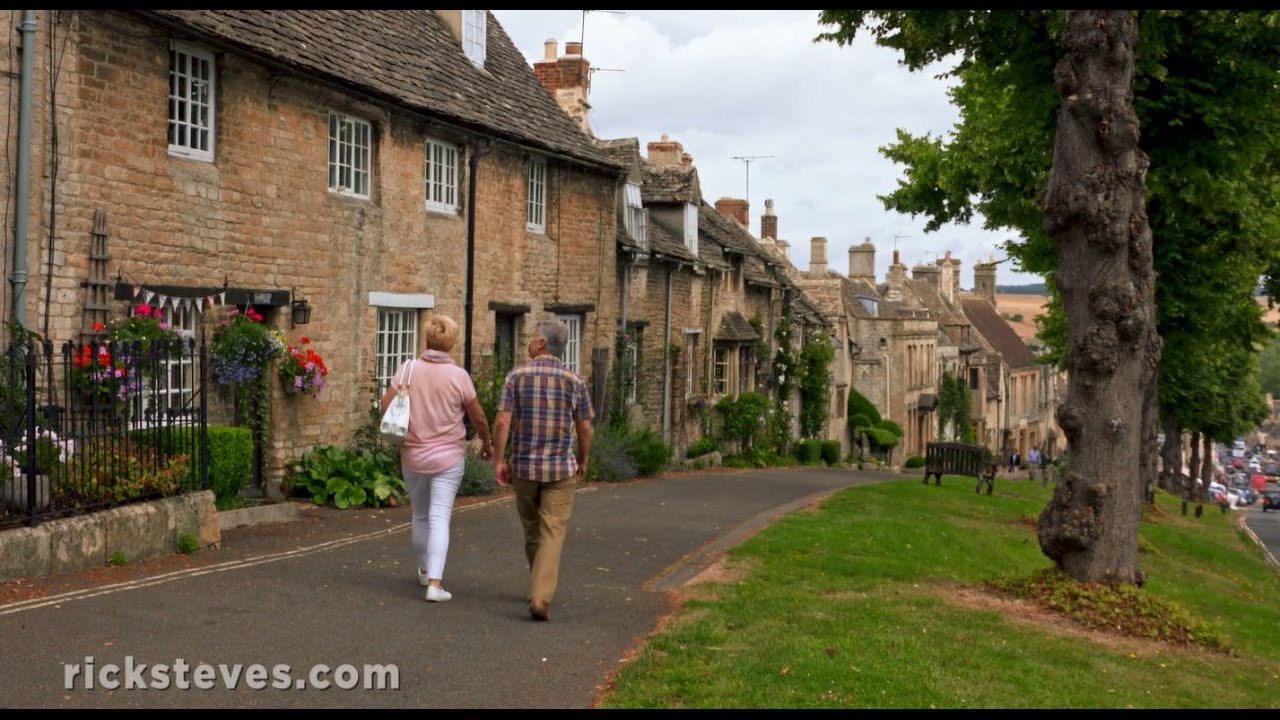
There is no official list of best villages to see in the Cotswolds on a London tour. There are, however, clusters that work well within the time you have. Bourton-on-the-Water is famous for the river and bridges. It is also the first stop for many groups. I tend to time it for early morning or late afternoon when the light softens and the pavements thin. The Slaughters, a mile apart, reward walkers with views of the River Eye and the old mill. Stow-on-the-Wold has a proper old market square and bookshops. Burford’s steep high street reads like a stone amphitheater down to the river, great for photos in angled afternoon light. Bibury’s Arlington Row is an icon, and it earns the status, but the lane is narrow and patience helps.
For architectural variety, add Chipping Campden with its wool church and covered market, and Broadway for shops and the Tower on the hill. If you like gardens, Hidcote and Kiftsgate, within minutes of each other above Mickleton, are a pairing to build a day around between May and September. In the south, Cirencester’s Roman history shifts the palette, with a museum that deserves two quiet hours on a rainy day.
You can stitch two clusters into a day if you keep transfers tight. North Cotswolds in the morning, central villages after lunch. Or Oxford until noon, then Woodstock and Blenheim, with a late stop in Burford on your way back. London Cotswolds countryside tours that promise eight stops often spend more of the day in motion than in place. Fewer, longer stops make for better memories.
When to go and how season shapes the day
Season changes the equation as much as transport. Late spring brings hedgerows thick with cow parsley, and gardens hit their stride. Early summer can be busy, especially around school holidays in late May and late July to August. Lavender at Snowshill, usually late June into July, draws photographers and drone pilots. Autumn gives you low sun on stone and fewer coach groups. Winter offers open fires and empty lanes, with short daylight pushing you to plan around dusk. If you come in December, book dinners and check opening hours, as some small attractions hibernate.
Weather is often four seasons in a day. A waterproof that tucks into a day bag is a must. Footpaths turn slippery after rain, and some fields can flood near rivers. On hot days, carry water, especially if you plan to walk between villages. Rural buses do run, but they may be two-hourly on weekends and thin on Sundays. If you miss one, a taxi can bridge the gap, yet booking ahead saves you the wait.
How guided options compare: breadth, depth, and special interests
The phrase London tours to Cotswolds covers a wide range. Some are big-coach panoramas that tick the famous names and return you by dinner. Others are themed: a Cotswolds sightseeing tour from London that leans into photography, or food-focused days with cheesemakers and farm shops, even a vineyard or two near Nailsworth or Stroud. Small group Cotswolds tours from London usually strike the middle ground. They often include free time in two villages and a guided stroll in one, with commentary that makes sense of place. Look for operators who cap numbers, use minibuses that fit the lanes, and build slack into the schedule so you are not eating on the run.
If your party includes grandparents and toddlers, family‑friendly Cotswolds tours from London are worth seeking out. These adjust walking distances, add playground stops, and keep nap windows in mind. If you are celebrating, luxury Cotswolds tours from London might fold in a manor house lunch, private garden access, or a behind-the-scenes visit at a historic estate. For travelers who like control without driving, a Cotswolds private tour from London with a driver-guide is the sweet spot. Share your interests and let them plot a route that avoids the worst choke points.
Affordable Cotswolds tours from London exist and can be good value if expectations match the price. You will visit the highlights, share time with others, and move on quickly. If the itinerary lists eight or more locations in one day, understand that most of those will be views from the window or brief photo stops. If depth matters, look for three or four locations and longer dwell times.
Rail-to-walk itineraries that work
On days when I want fresh air and a steady cadence, I take the train and link villages on foot. Moreton-in-Marsh to Stow is a straightforward hike, around four miles depending on the route you pick. From Stow you can descend to Lower Slaughter, then into Bourton. Each leg is one to three miles on clear paths. If you are still feeling keen, the Windrush Way out of Bourton gets you out of the thick of it quickly. A taxi back to Moreton returns you to London on the evening train. This is a gentle answer to how to visit the Cotswolds from London without a car and without crowds.
From Kemble, you can walk into Cirencester along the old Thames and Severn Canal paths, then spend the afternoon in the Corinium Museum and the abbey grounds. In late autumn, the beech woods north of Nailsworth glow, and a rail to Stroud with a short bus or taxi opens up the commons. These are not standard London Cotswolds countryside tours, but they deliver the feel of the place better than a hop-on-hop-off rhythm.
Practicalities that tidy the edges
Phone signal is patchy in dips and valleys. Download maps, restaurant info, and bus timetables offline. Pre-book taxis where you can, particularly for station pickups at Moreton-in-Marsh and Kemble. If you are driving, keep coins or a payment app for car parks in villages where machines are old or signals weak. Pub kitchens often stop serving lunch around 2:30 or 3 pm. Plan to eat on time or book ahead if you are fixed on a particular place.
Sunday schedules are different. Fewer buses, some shops shut or shortened hours, and churches host services that may limit visits. On the flip side, roads can be clearer early. If your plan is a day trip to the Cotswolds from London with multiple stops, that early start is your friend. Leave London before 8 am and you earn an hour of empty lanes.
If you are deciding between a bundled London to Cotswolds tour package and building your own day, price the elements. A package may include entry to Blenheim or a cream tea that you did not plan to prioritize. A self-built day lets you drop into a craft market in Kingham or a pottery studio in Long Compton if you stumble upon one. Some travelers like certainty. Others like serendipity. The Cotswolds reward both.
A simple decision framework
Use this quick lens to pick your mode:
- Train, then taxis or walking, if you value a calm pace, want to avoid driving, and are content with two to three locations in real depth. Small-group guided tour if you want efficient logistics, local context, and a balance of free time and structure, without the crush of big coaches. Private driver-guide if you have specific interests, a special occasion, or mobility needs, and want maximum flexibility. Self-drive if you enjoy country lanes, want to chase light and viewpoints, and do not mind parking and navigation.
Whichever path you pick, remember that the Cotswolds are not a single sight but a texture: limestone and lichen, low rivers, beechwoods, and church towers standing guard over greens. The best London to Cotswolds tour packages respect that scale and slow you down. See less, see better. A square of lemon drizzle in a tiny tearoom when the bell rings the hour can be worth more than three extra villages from the bus window.
The real difference between a hurried tick-box and a day that stays with you is margin. Build space into your plan. If a lane looks enticing, take it. If the weather clears on the scarp, go for the view. And if you find yourself with five extra minutes in a churchyard in Chipping Campden while the coach groups file past, stand still and listen. The Cotswolds will tell you what to do next.